

If you manage a hotel, run a spa, stock a retail shelf, or operate any business that puts towels directly onto your customers’ skin, you already know that comfort isn’t just a nice-to-have. It affects satisfaction scores, reviews, repeat visits—basically everything. Sensitive skin is surprisingly common; a report from Aveeno notes that around 71% of adults experience some level of sensitivity. And that number always feels a bit abstract until you see a guest rubbing their arm after drying off, or a spa client commenting that a towel “felt a little scratchy.”
You might focus on premium lotions, gentler cleansers, or massage oils that promise to be calming, but the towel itself—something every customer touches—often gets overlooked. And that’s ironic, because a towel with the wrong fiber, weave, or finishing process can undo a lot of the care you put into the rest of the experience. Rough textures can trigger redness. Harsh synthetics can spark irritation. Even towels that stay damp too long can contribute to breakouts, especially in high-humidity settings like spas and gyms.
So if you’re sourcing Airbnb towels for your property, choosing the right fabric becomes more than a procurement decision. It’s part of caring for your guests. It’s part of your hosting brand.
And perhaps even part of how you protect your bottom line.
Below is a practical guide—written with you, the business owner or buyer, in mind—to help you select the best bath towel for sensitive skin. Think of it as equal parts logic, personal observation, and the kind of experience you only gather after handling far too many towels during supplier meetings.
Why Cotton Towels Are Great for Sensitive Skin
If you’ve ever touched a premium cotton towel right after running your fingers across a cheaper synthetic blend, you don’t need a long lecture on the difference. One feels soft and quiet. The other feels… functional, maybe, but not comforting. Sensitive skin reacts to texture immediately, which is why cotton is usually the safest bet.
Below are a few reasons cotton consistently outperforms other materials when it comes to people with delicate or reactive skin.
1. Hypoallergenic and Chemical-Free
If your business serves guests with sensitive skin—or simply wants to avoid complaints—hypoallergenic towels are a smart choice. Cotton, especially when produced responsibly, typically contains fewer irritants than synthetic fabrics. It doesn’t carry the plastic-like feel you sometimes get from microfiber. And, in most cases, it hasn’t been treated with harsh finishing chemicals.
You’ve probably handled towels that smelled oddly “chemical” when new. Cotton rarely has that issue, and if it does, the scent fades after a gentle wash. Synthetic towels, however, sometimes keep that chemical edge longer than customers appreciate.
There’s another practical side to this: cotton breathes. A breathable towel dries more quickly, which means fewer opportunities for bacteria and fungi to develop. In a hotel or spa where towels rotate constantly, that matters more than most people realize.
2. Soft and Gentle for Delicate Skin
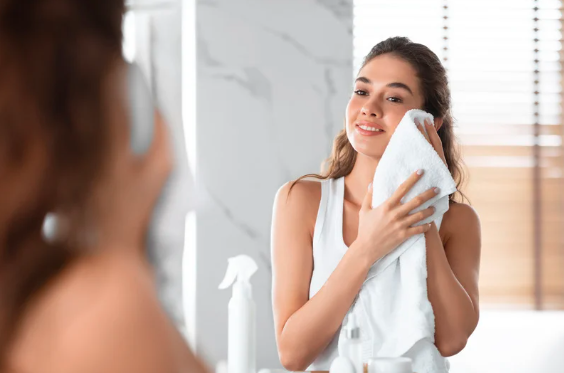
One thing you’ll notice when you start sourcing towels is that softness isn’t just about luxury—sometimes it’s a requirement. Redness, irritation, flare-ups… all of these happen more easily when a towel drags against the skin.
Cotton, especially long-staple varieties like Egyptian or Supima, is naturally softer than synthetic fibers. And the softness doesn’t feel artificial. It isn’t the slippery smoothness of microfiber, which can sometimes feel too thin, almost clingy. Instead, cotton gives you that familiar plush texture that encourages a gentle pat-dry rather than rubbing.
If your business handles clients who value self-care—spa-goers, wellness enthusiasts, or guests staying in premium rooms—this difference is noticeable. You’ve probably had that moment where you test a towel sample by pressing it to your cheek. Cotton wins almost every time.
3. Absorbency That Reduces Friction
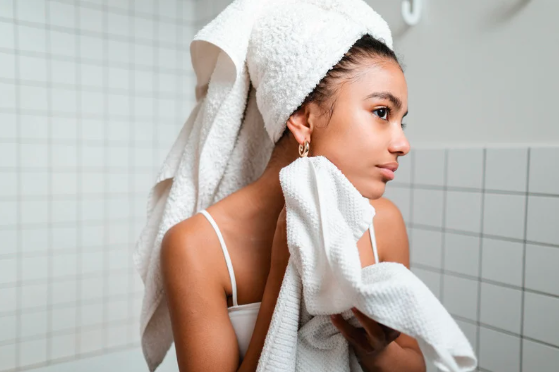
An absorbent towel sounds obvious, but for sensitive skin, it’s essential. When a towel soaks up moisture efficiently, guests don’t have to drag it across their skin. A quick press is usually enough.
Cotton fibers naturally hold water, so drying feels effortless. Synthetic towels may absorb quickly in theory, but they often need a bit more pressure to pull water from the skin. You may not notice it with your hands, but customers with reactive or acne-prone skin definitely will.
There’s an operational angle here too. More absorbency usually means fewer towels used per guest, which—over time—reduces laundering costs.
4. Breathable and Clean
Cotton towels allow air to pass through, which helps them dry faster on racks or carts. In a spa or gym, where towels often pile up before laundry pickup, this simple feature prevents the musty smell that staff everywhere quietly dread.
A towel that doesn’t dry well becomes a breeding ground for bacteria. And bacteria, unfortunately, is one of the most common triggers for body acne and skin irritation. Cotton’s natural breathability helps prevent all of that.
If you’ve ever walked into your laundry area and caught that faint smell that tells you a batch stayed damp too long… well, cotton helps minimize that kind of problem.
5. Stylish and Comfortable
It’s easy to assume that hypoallergenic towels look dull or plain, but cotton offers a lot more variety than you might expect—from crisp white hotel bath sheets to textured spa towels and understated retail-friendly designs.
Some brands also incorporate antibacterial fibers or silver threads for added hygiene. These are particularly useful in gyms and busy wellness studios.
But if you want softness and durability without sacrificing aesthetics, Japanese cotton towels—particularly those from Imabari—stand out. They tend to look clean, minimal, and quietly luxurious. And if you’ve ever handed one to a guest or wrapped one around a spa client, you know there’s a subtle difference in how they respond. They relax faster. Their shoulders soften. There’s a psychological side to comfort that rarely gets talked about, but you feel it in moments like that.
Cotton vs. Microfiber Towels: Which is Better for Sensitive Skin?
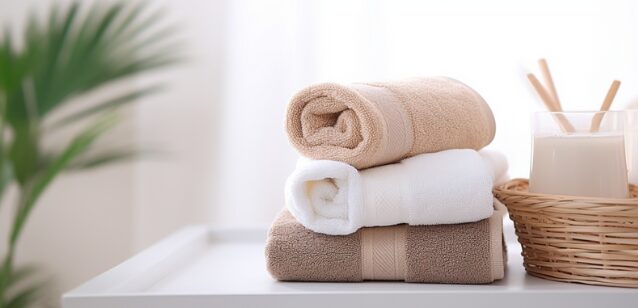
From a business standpoint, microfiber towels are tempting. They’re lightweight. They dry very quickly. They’re inexpensive. For housekeeping teams, they’re incredibly easy to fold and store.
But are they ideal for sensitive skin? Usually not.
Cotton towels, being natural and hypoallergenic, feel more familiar and soothing. They’re gentle, breathable, and effective at drying without friction.
Microfiber towels, on the other hand, have synthetic fibers that can feel slightly rough or “catchy,” especially after multiple washes. They’re excellent for cleaning tasks or sports environments, but for guest-facing experiences where skin comfort matters, cotton is the safer choice.
If you operate an establishment where customers expect comfort—boutique hotels, wellness studios, upscale spas, or any brand positioned as premium—cotton aligns better with your promise.
Final Words
A towel might feel like a small part of your overall operations, but it’s something your customers physically experience. Every single one of them. When you choose the right towels, you protect sensitive skin, enhance comfort, and quietly elevate your brand.
Cotton offers a level of gentleness, absorbency, and breathability that synthetic towels just can’t match. It’s practical, cost-efficient over time, and customer-approved. And honestly, it just feels better.
If you want to go a step further—and offer something that reflects craftsmanship as much as comfort—Japanese Imabari towels are worth considering. They’re soft, beautifully made, and designed with a strict quality-testing process that ensures they stay gentle wash after wash. Many business owners describe the switch as one of those decisions that seems small but ends up shaping how customers perceive their brand.
If you’re already thinking about upgrading your towel lineup, you may want to explore Japarcana’s collection of Imabari-certified towels. They’re crafted specifically to support sensitive skin while giving your guests that quiet, understated luxury they remember long after they leave your property.
Frequently Asked Questions ( FAQ )
1. Are cotton towels really better for sensitive skin?
Yes. Cotton is naturally hypoallergenic, breathable, and free from harsh synthetics that can irritate delicate skin. It absorbs moisture quickly, reducing friction during drying, and dries faster between uses—helping prevent bacteria buildup. For hotels, spas, and retail brands, cotton is the safest and most reliable choice for guest comfort.
2. Why shouldn’t businesses rely on microfiber towels for sensitive skin?
Microfiber is great for cleaning and quick-dry needs, but it’s made from synthetic fibers that can feel slightly rough or clingy, especially after repeated washing. For guests with sensitive or reactive skin, this can cause redness or irritation. Cotton offers a softer, more familiar feel that aligns better with comfort-focused establishments.
3. What makes Imabari towels different from regular cotton towels?
Imabari towels from Japan undergo strict quality testing to ensure exceptional softness, absorbency, and long-term gentleness. They’re crafted using premium cotton and a specialized low-stress production method. For businesses, they offer a quiet luxury guests immediately notice—ideal for spas, boutique hotels, and wellness brands that prioritize comfort and craftsmanship.