
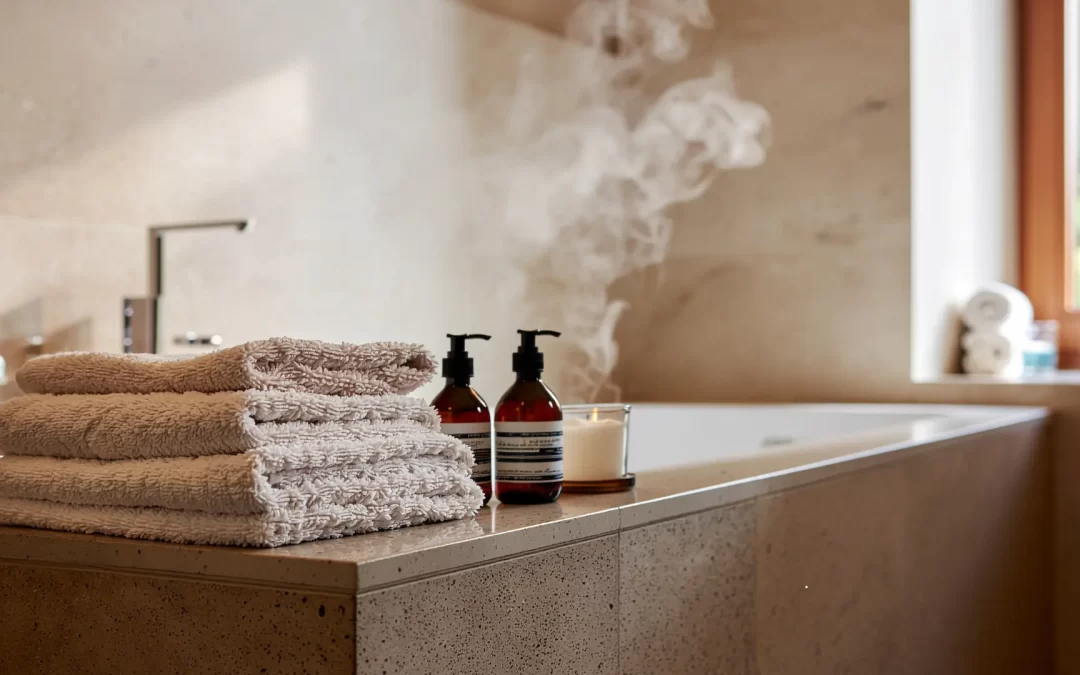
Towels rarely sit at the center of hospitality strategy meetings. They are folded, stacked, replaced, and reordered almost automatically. And yet, few items in a hotel, hostel, or Airbnb are touched as often. Every guest uses them. Every day.
That quiet repetition turns towels into something more than bathroom basics. They become indicators of cleanliness, comfort, and operational efficiency all at once.
If you manage a hospitality property, you know that small details affect reviews. A towel that feels soft and absorbs well builds trust. A thin or worn towel does the opposite, even if the rest of the room looks perfectly clean. The truth is, luxury bath towels elevate the hotel experience in ways guests may not even realize.
The challenge isn’t simply buying soft towels. It’s selecting towels that balance guest expectations with durability and long-term cost control.
That balance looks different depending on the type of property.
High-Quality Hotel Towels for Every Room
Hotel guests often expect a spa-like experience, even in mid-range hotels. Towels should feel soft, thick, and absorbent. Most of all, they should feel the same in every room.
For hotels, 100% cotton remains the standard. Long-staple or combed cotton improves softness and strength. Ring-spun yarn creates smoother fibers that withstand frequent washing. These details may not be visible at first glance, but they shape how the towel feels after dozens of laundry cycles.
Weight matters too. Bath towels between 500–700 GSM (grams per square meter) offer the density associated with comfort and quality. Luxury hotels often move toward 600+ GSM for a more indulgent feel.
However, heavier towels take longer to dry. They require more energy and increase turnaround time in busy laundry operations. This is where the tension begins. Plushness enhances perception, but operational efficiency demands practicality.
White towels dominate hotel settings for good reason. They signal hygiene and allow for bleaching. They also create visual uniformity across rooms. Even subconsciously, guests associate crisp white linens with professionalism.
Hotels investing in premium towels aren’t simply paying for softness. They are protecting brand consistency while reducing replacement frequency. A well-made towel that maintains structure after repeated laundering can lower lifecycle costs significantly.
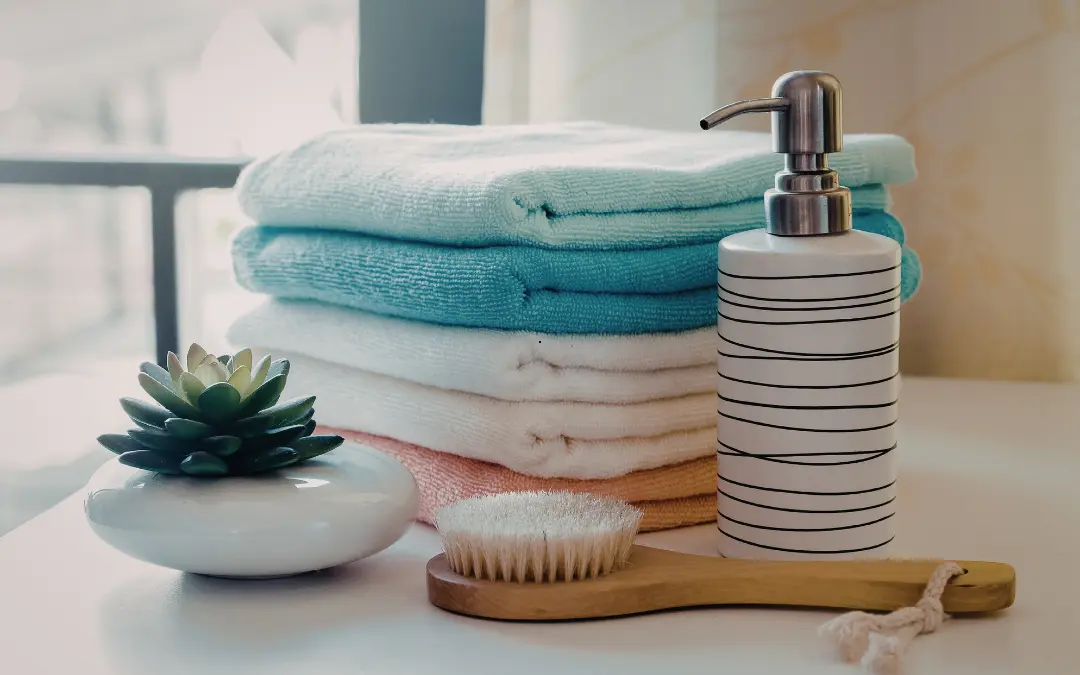
Choosing Practical Towels for Hostels
Hostel environments operate differently. High turnover, shared facilities, and tighter margins demand efficiency.
Guests may not expect luxury, but they still expect cleanliness. Towels in the 350–500 GSM range often provide the right balance. They dry faster, consume less energy, and are easier to manage in bulk laundry systems.
Cotton or cotton blends are common choices. The focus shifts toward durability and speed. A towel that dries quickly reduces mildew risk and speeds room readiness.
Thicker towels might appear more impressive at first glance. Yet in a hostel setting, slower drying can disrupt operations. A slightly lighter towel often proves more cost-effective over time — even if it sacrifices a degree of plushness.
Durability becomes the priority. Double-stitched hems, reinforced edges, and shrink-resistant weaving extend lifespan and reduce replacement costs. Proper handling matters too, which is why simple towel care tips for hospitality businesses can make a noticeable difference over time.
Soft and Stylish Towels for Airbnb Hosts
Airbnb properties are somewhere between a hotel and a home. Guests expect comfort like a hotel, but with a more personal feel.
Towels between 450 and 600 GSM usually work well. They feel soft and absorb water well without being too heavy. Many hosts use home washers and dryers, so very thick towels can be hard to dry.
White towels still show cleanliness. Neutral colors can also match the design of the space. How towels are presented matters here. Neatly folded and matching towel sets make the space look more thoughtful and often appear in guest photos.
Airbnb reviews often talk about comfort and cleanliness. Because of that, towels can affect ratings. Many hosts look closely at Airbnb towels and what guests expect when deciding what to stock.
How Towel GSM Affects Comfort and Cost
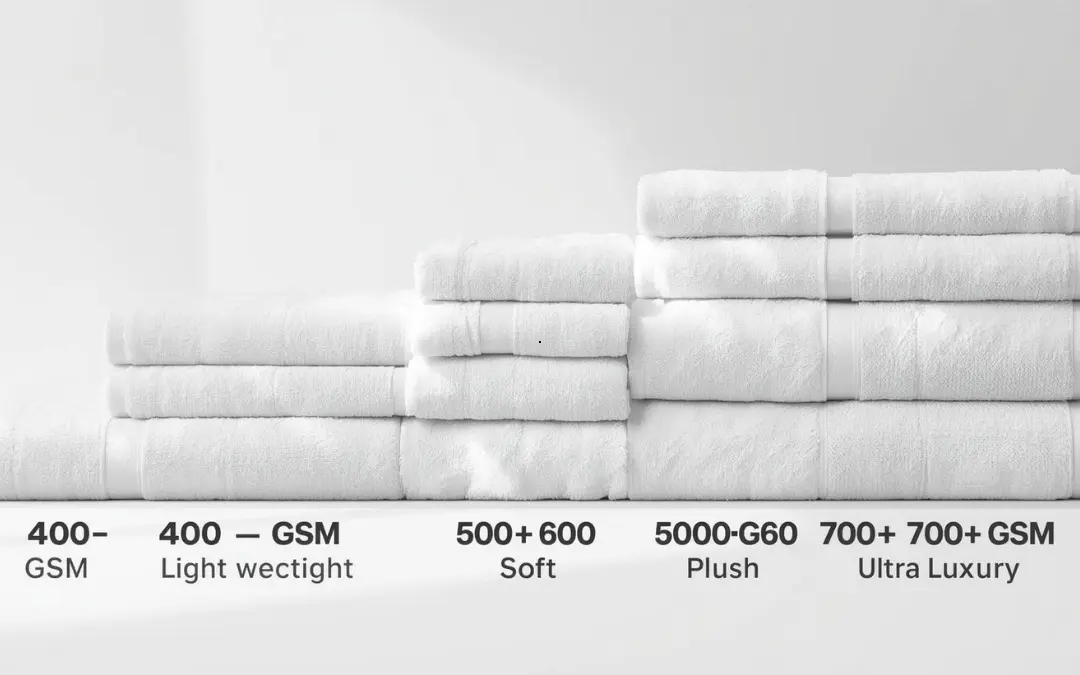
GSM — grams per square meter — measures towel density. Higher GSM typically means thicker and more absorbent fabric. But density alone does not guarantee performance.
- 300–400 GSM: Lightweight, quick-drying, suitable for gyms or budget settings
- 400–500 GSM: Medium weight, practical for hostels and economy hotels
- 500–600 GSM: Soft and absorbent, ideal for Airbnb and mid-range hotels
- 600–700 GSM: Plush, commonly used in upscale hospitality
- 700+ GSM: Ultra-luxury, heavier and slower to dry
Heavier towels feel indulgent, but they extend drying cycles. Lighter towels improve laundry efficiency but may not meet higher-end expectations. The ideal range depends on guest profile and operational capacity.
Balancing these variables prevents unnecessary spending on energy or premature replacements.
Bulk Hospitality Towels That Cut Costs
Wholesale purchasing decisions should prioritize lifecycle value rather than upfront price.
Standard hospitality sizes include:
- Bath Towels: 27″ x 54″ or 30″ x 56″
- Hand Towels: 16″ x 30″
- Washcloths: 12″ x 12″
- Bath Mats: Often 700–900 GSM for durability
Beyond size and GSM, construction details determine longevity. Double-stitched hems reduce fraying. Reinforced edges maintain shape. Colorfast weaving preserves brightness after bleaching.
Cheap towels may cost less at first, but replacing them often can wipe out those savings. Durable towels may cost more upfront, but they last longer and lower total costs over time.
It may not be obvious right away. In hospitality, cutting costs often means choosing better quality, not just paying less.
Cotton Quality and Performance
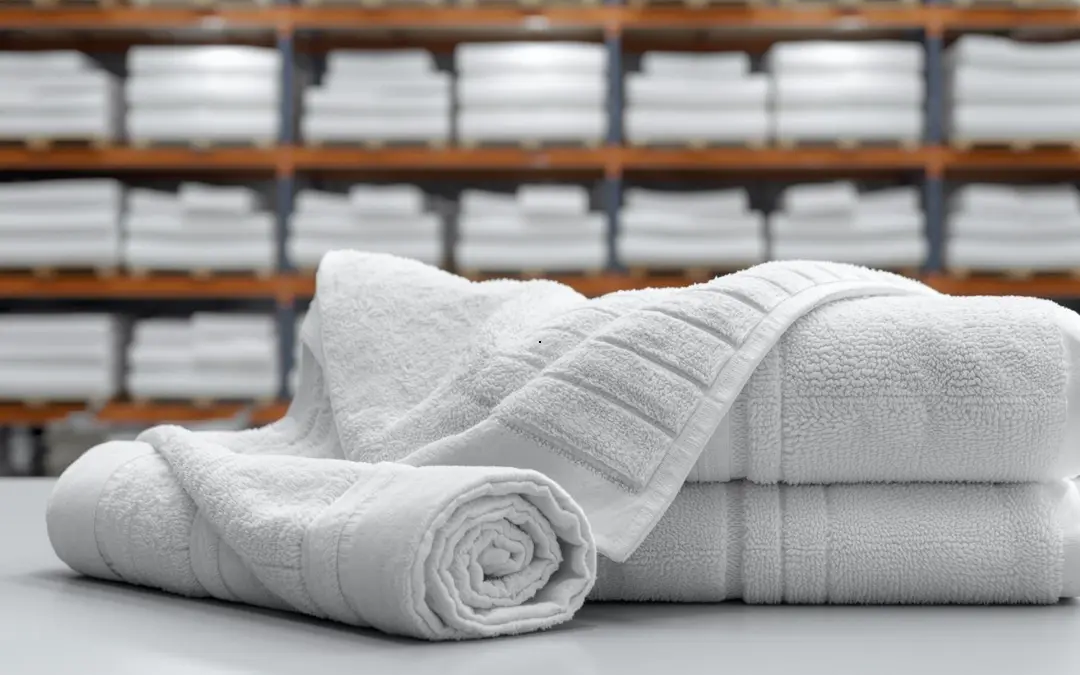
Standard cotton offers affordability and reliability. Ring-spun cotton improves smoothness and strength. Combed cotton removes impurities, enhancing softness. Long-staple cotton provides superior durability and absorbency.
For properties that want to offer a higher level of quality, premium cotton can improve guest comfort and help towels last longer.
The difference may not be dramatic after one wash. After one hundred washes, however, it becomes clear.
Laundry Efficiency and Maintenance
Towel care significantly impacts cost control.
Avoid fabric softeners, as they coat fibers and reduce absorbency. Use mild detergents and warm water. Oxygen bleach helps maintain brightness without damaging fibers. Dry thoroughly to prevent mildew but avoid excessive heat that weakens fabric over time.
Operational discipline extends towel lifespan. Small adjustments in laundry routines often produce measurable savings.
Final Words
Guests rarely analyze textile specifications. They simply react. A plush, absorbent towel reinforces comfort and care. A thin or worn towel raises quiet doubts. Luxury-quality towels contribute to repeat bookings and stronger reviews. Durable construction reduces replacement cycles and stabilizes inventory costs. Uniform presentation supports professional branding.
Hospitality buyers increasingly recognize that towels are not just amenities — they are assets. They shape perception while influencing operational budgets.
Selecting the right towels is less about chasing luxury and more about choosing consistency. Consistency in softness. Consistency in appearance. Consistency in performance after repeated laundering.
When durability meets craftsmanship, cost efficiency and guest comfort do not have to compete. For properties looking for that balance, Japarcana Imabari towels are a strong example. They use long-staple cotton, test each towel to make sure it soaks up water well, and make each one carefully so it stays soft and lasts a long time.